EV Charger Installation: Tesla vs Universal Chargers for Your Home
By Gunter Electrical
Picking the wrong EV charger for your home can mean expensive reinstallation when you discover it won’t work with your next car. Here’s what Central Coast homeowners need to know about Tesla versus universal chargers.
You’ve made the leap to electric. Now you need a home charging station that works with your car today and any EV you might buy tomorrow. The last thing you want is to gamble on the wrong charger type and face costly reinstallation down the track.
Tesla Chargers: Built for Tesla Only
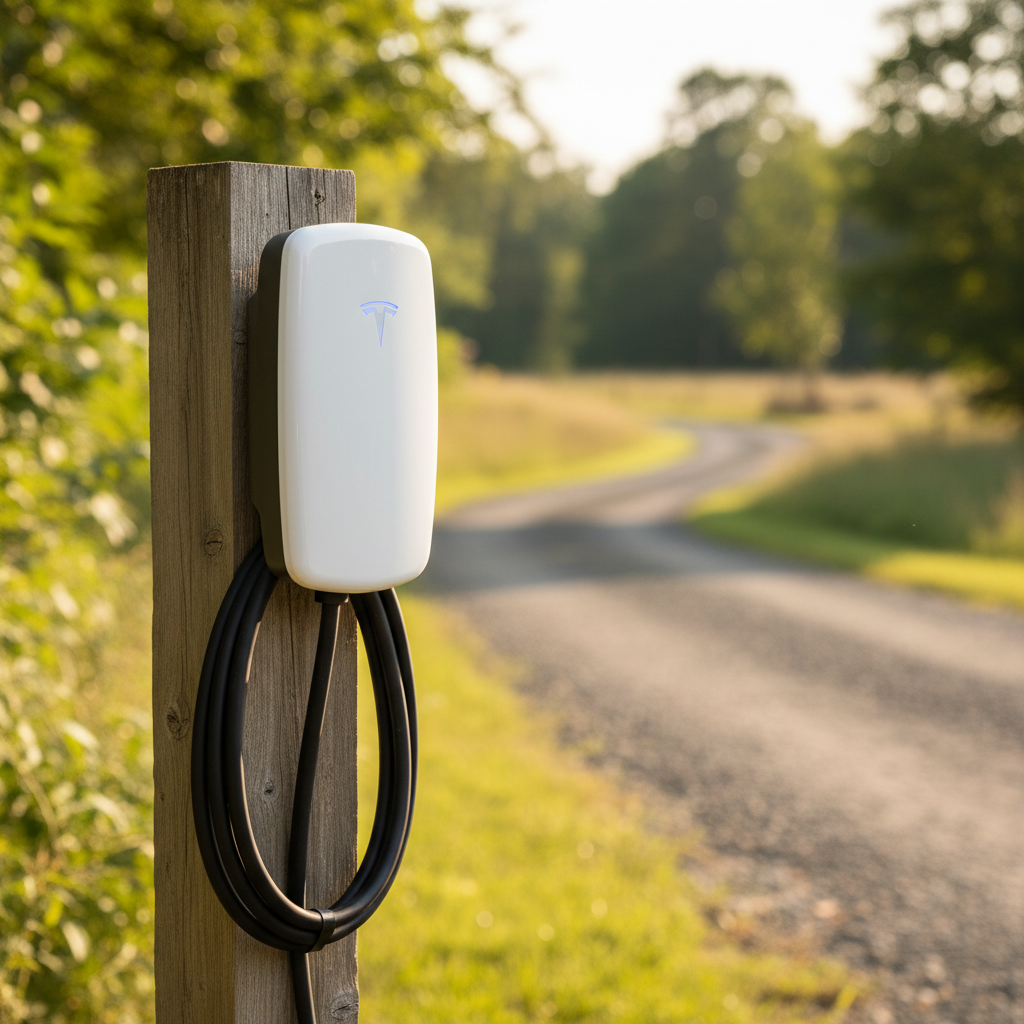
Tesla’s Wall Connector is sleek, fast, and works perfectly with Tesla vehicles. It delivers up to 11.5kW of power, meaning your Model 3 or Model Y charges overnight without drama.
The catch? It only works with Tesla cars. If you swap your Tesla for a Hyundai Ioniq or BYD Atto 3 next year, you’ll need a new charger installed.
Tesla chargers cost around $750-950 plus installation. They’re reliable and Tesla backs them with solid warranty support. The white finish looks smart on most homes around Terrigal and The Entrance.
Universal Chargers: Future-Proof Choice
Universal EV chargers use the Type 2 connector that’s standard across most EVs sold in Australia. These chargers work with Tesla (using an adapter), BMW, Mercedes, Hyundai, BYD, and practically every other EV brand.
Universal chargers range from $800-2000 depending on features. Higher-end models include smartphone apps, scheduling, and load balancing if you install solar panels later.
The trade-off? Tesla drivers need to use an adapter cable, which adds a small step to plugging in.
Which Charger Suits Your Situation?
Choose Tesla if:
- You’re committed to Tesla long-term
- You want the simplest plug-and-play experience
- Tesla’s warranty support appeals to you
Choose universal if:
- You might switch EV brands later
- Other family members drive different EVs
- You want maximum flexibility
Most Central Coast families we install for choose universal chargers. It’s the safe bet when you don’t know what your next car will be.
Installation Requirements Are Identical
Both charger types need the same electrical setup. Your switchboard needs spare capacity (around 32-50 amps depending on charger power). Most homes built after 2000 handle this fine, but older homes might need a switchboard upgrade first.
The cable run from your switchboard to the garage affects installation cost more than charger type. Longer runs through brick walls cost more than short runs through timber.
Installation typically takes 2-4 hours. Both charger types need RCD protection and earth leakage detection for safety compliance.
Smart Features Worth Considering
Modern universal chargers often include features Tesla’s Wall Connector lacks:
- Solar integration to charge using your roof panels
- Time-of-use scheduling for cheaper overnight rates
- Load balancing to prevent overloading your switchboard
These features cost extra but can save money long-term, especially with solar or time-of-use electricity tariffs.
Central Coast Installation Considerations
The salt air around Woy Woy and coastal areas means choosing a charger rated for harsh environments. Both Tesla and quality universal chargers handle coastal conditions well with proper installation.
If you’re near the Tesla Supercharger at Westfield Tuggerah, a home charger still makes sense. Home charging costs around 30-50% less than Supercharging and means starting each day with a full battery.
Always use a licensed electrician for EV charger installation. The work involves high-current circuits that must meet Australian standards for safety and insurance compliance.
Need a Hand?
Book a site inspection to check your home’s electrical capacity and discuss charger options.
If your EV charger installation home needs professional assessment, give us a ring. We’ve been sorting electrical work for Central Coast families since 2000. Call 02 4340 1155 or Get a Free Quote.
Related posts
How to Choose Between 7kW and 22kW EV Chargers for Your Home
Choosing the wrong EV charger capacity for your home can mean years of slow charging frustration or a costly electrical upgrade you didn't budget for.
EV Charger Electrical Requirements: Circuit Breaker and Power Upgrades
Getting an EV charger installed at home isn't just about buying the unit - your electrical system needs to handle the extra load safely. Here's what electrical work you'll actually need and what it costs.
EV Charger Installation Electrical Permit Requirements NSW
Getting an EV charger installed at home without proper permits is like crossing your fingers and hoping council won't notice - until they do, and your insurance claim gets rejected.