How to Choose Between 7kW and 22kW EV Chargers for Your Home
By Gunter Electrical
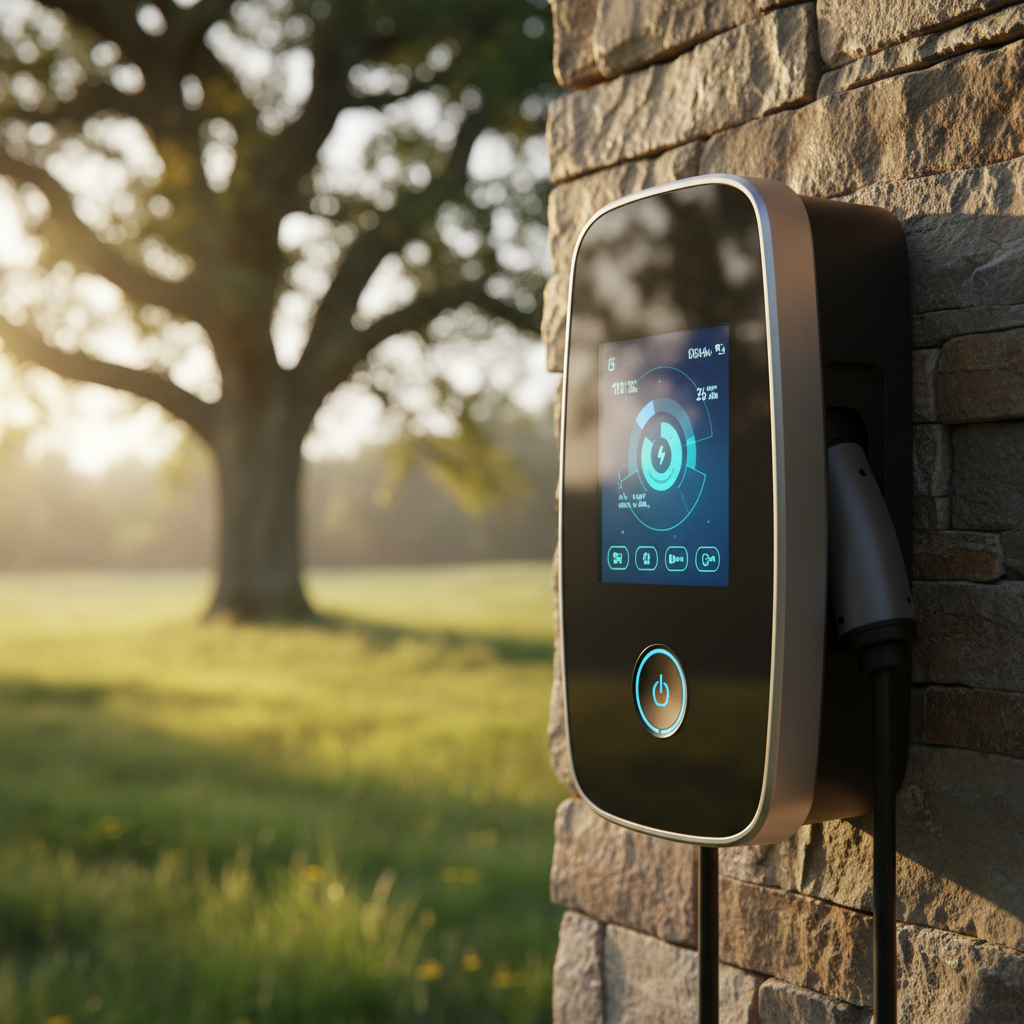
Choosing the wrong EV charger capacity for your home can mean years of slow charging frustration or a costly electrical upgrade you didn’t budget for.
The biggest gamble homeowners face with EV charger installation isn’t just picking any charger - it’s matching the right capacity to your electrical setup without breaking the bank or your patience.
Understanding EV Charger Power Ratings
Your EV charger’s power rating determines how fast it charges your car. Think of it like a garden hose - a 7kW charger is like a standard hose, while a 22kW charger is like a fire hose.
But here’s the catch: your home’s electrical system might not handle the fire hose approach without upgrades.
Most Central Coast homes have either single-phase or three-phase power supply. Single-phase limits you to around 7-10kW maximum, while three-phase can handle the full 22kW capacity.
7kW EV Chargers: The Practical Choice
A 7kW home charger suits most Australian households perfectly. It plugs into your standard single-phase power supply without major electrical work.
Charging speed wise, you’ll add roughly 40-50km of range per hour. For most drivers doing 50-80km daily, overnight charging covers your needs completely.
The installation cost stays reasonable because you’re working with your existing electrical capacity. Most Central Coast homes in Kincumber, Avoca Beach and Copacabana can handle 7kW without switchboard upgrades.
Installation typically takes 2-4 hours, and you’re charging that same night.
22kW Home Chargers: When Speed Matters
A 22kW home charger delivers serious charging speed - around 120-150km of range per hour. Perfect for heavy drivers or multiple EVs.
But there’s a big “if” here: you need three-phase power at your property.
Many newer homes and rural properties around the Central Coast already have three-phase connections. Older suburban homes typically don’t.
Adding three-phase power means upgrading your switchboard, possibly your main cable from the street, and definitely your electricity bill. We’re talking $3,000-$8,000 in electrical work before you even install the charger.
Matching Your Charger to Your Electrical Setup
Check your switchboard first. Count the main switches at the top - single-phase has one large switch, three-phase has three.
Look at your electricity meter too. Three-phase meters show three separate readings or have “polyphase” marked somewhere.
Most Central Coast homes built before 1990 run single-phase power. This limits your practical EV charging to 7-10kW maximum.
Don’t assume you need the fastest charger available. Calculate your actual daily driving distance first.
Real World Charging Time Comparison
Here’s what charging speeds actually mean for common EVs:
7kW charger (overnight charging):
- Tesla Model 3: 8-10 hours (empty to full)
- Hyundai Kona Electric: 6-8 hours
- BMW iX3: 10-12 hours
22kW charger (rapid home charging):
- Same cars charge roughly 3 times faster
- Tesla Model 3: 3-4 hours
- Hyundai Kona Electric: 2-3 hours
Most people charge overnight anyway, making the 7kW option perfectly adequate.
Installation Considerations for Central Coast Homes
Your existing electrical setup determines everything. Many Central Coast properties have older switchboards that need upgrading regardless of charger choice.
Consider your driveway layout too. Charger placement affects cable run length and installation complexity.
Check with your electricity provider about off-peak rates. Some offer cheaper overnight charging that makes slower 7kW charging even more economical.
Weather protection matters on the coast. Quality weatherproof units handle our salt air and occasional storms better than basic models.
Making the Right Choice
Choose 7kW if you:
- Drive less than 100km daily
- Have single-phase power
- Want reasonable installation costs
- Charge mainly overnight
Choose 22kW if you:
- Already have three-phase power
- Drive over 150km daily
- Own multiple EVs
- Need rapid daytime charging
Don’t upgrade your electrical supply just for faster charging unless you genuinely need it.
Need a Hand?
Get a qualified sparky to assess your electrical capacity before choosing your charger.
If your EV charger installation needs professional planning, give us a ring. We’ve been sorting electrical work for Central Coast families since 2000. Call 02 4340 1155 or Get a Free Quote.
Related posts
EV Charger Electrical Requirements: Circuit Breaker and Power Upgrades
Getting an EV charger installed at home isn't just about buying the unit - your electrical system needs to handle the extra load safely. Here's what electrical work you'll actually need and what it costs.
EV Charger Installation Electrical Permit Requirements NSW
Getting an EV charger installed at home without proper permits is like crossing your fingers and hoping council won't notice - until they do, and your insurance claim gets rejected.
EV Charger Installation Cost: What Central Coast Homeowners Pay in 2024
Smart homeowners know that getting proper quotes for EV charger installation prevents nasty price surprises and dodgy work that could leave you stranded with a flat battery.