EV Charger Electrical Requirements: Circuit Breaker and Power Upgrades
By Gunter Electrical
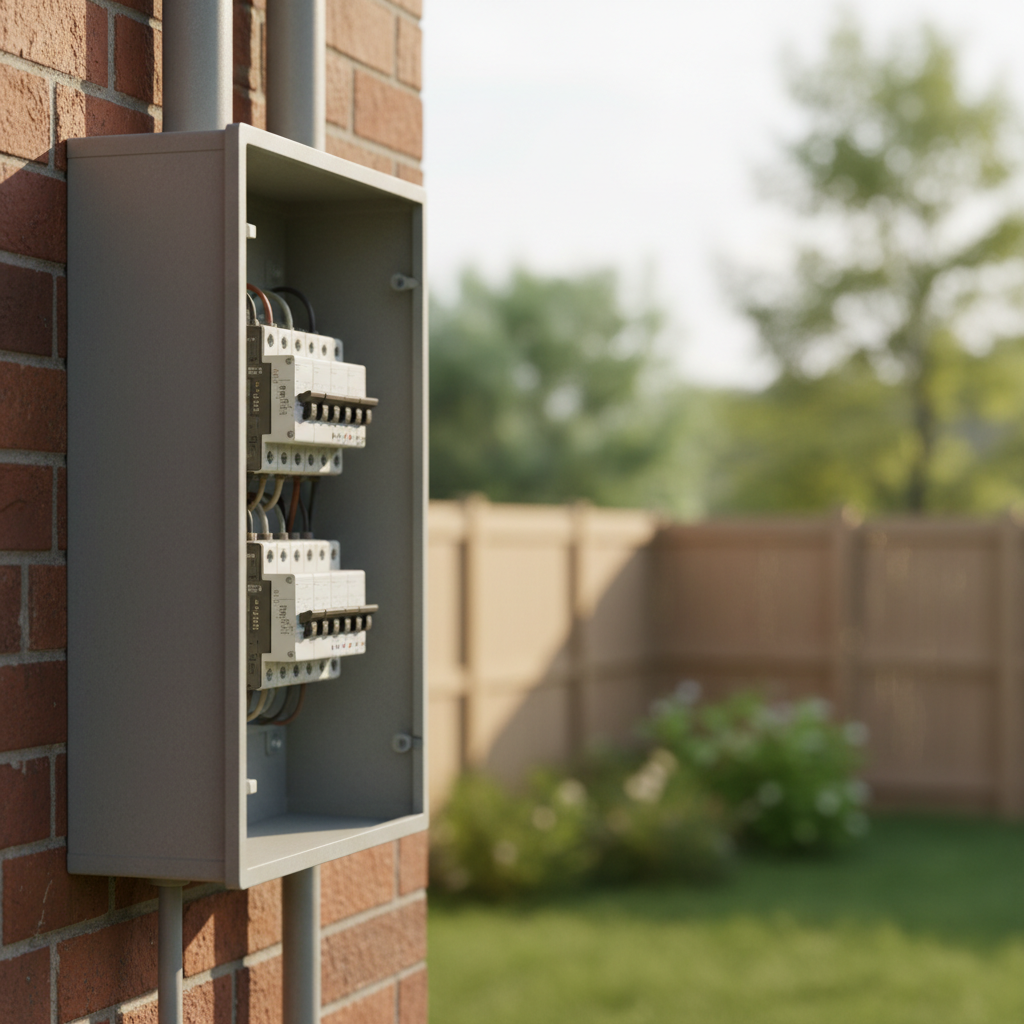
Getting an EV charger installed at home isn’t just about buying the unit - your electrical system needs to handle the extra load safely. Here’s what electrical work you’ll actually need and what it costs.
Why Your Current Wiring Probably Won’t Cut It
Most Aussie homes weren’t built for EV charging. Your standard power point delivers 10 amps. A proper EV charger needs 32 amps - that’s three times more power flowing through your wires.
Think of it like asking a garden hose to deliver fire truck water pressure. Something’s got to give, and you don’t want it to be your switchboard catching fire at 2am.
This is where the gamble kicks in. Some people try plugging into regular outlets or get dodgy installations. The risk? Overloaded circuits, tripped breakers, or worse - electrical fires.
What Circuit Breaker Your EV Charger Actually Needs
Your EV charger installation needs its own dedicated 40-amp circuit breaker. Not shared with anything else. This protects the circuit from overload and gives your car the consistent power it needs to charge properly.
The circuit breaker sits in your switchboard and acts like a safety guard. If too much current flows through the circuit, it trips and cuts the power before wires overheat.
Most home EV chargers draw 32 amps continuously. The 40-amp breaker gives you the safety margin Australian Standards require - you never load a circuit to 100% of its capacity.
When Your Switchboard Needs an Upgrade
Walk outside and look at your switchboard. If it’s older than 15 years or packed full of circuit breakers, you’ll likely need an upgrade before adding EV charging.
Older switchboards often can’t handle the extra 32-amp load. Your main switch might be rated for 63 amps total. Add an EV charger, air conditioning, and a few other appliances running at once, and you’re pushing the limits.
Signs you need a switchboard upgrade:
- Ceramic fuse holders (not circuit breakers)
- No safety switches
- Main switch under 100 amps
- All breaker positions filled
For details on switchboard costs, check out our Switchboard Upgrade Cost Guide: What Central Coast Homeowners Really Pay.
Power Supply Upgrades: When Your Connection Isn’t Enough
Some homes in Terrigal and Avoca Beach have older 40-amp or 63-amp supply connections. Adding EV charging might push you over the limit, especially if you’ve got solar panels, pool equipment, or ducted air con.
You’ll know you need a supply upgrade if:
- Your main switch is 40 or 63 amps
- Lights dim when big appliances start up
- Circuit breakers trip regularly
A supply upgrade involves your electricity distributor (Ausgrid on the Central Coast) installing a bigger connection to your property. This takes longer and costs more than internal electrical work.
The Cable Run: Getting Power to Your Garage
Your EV charger needs heavy-duty cable - usually 6mm² copper - run from the switchboard to where you park. In beachside suburbs like Copacabana, this cable often needs extra protection from salt air corrosion.
The cable run affects your installation cost more than anything else. A short run from the switchboard to an attached garage might be 10 metres. A detached garage or carport could be 50 metres - that’s a lot more cable and digging.
Underground cable installation is safer and looks better, but costs more than overhead runs. Your sparky will assess the best route during the site inspection.
Safety Switches and RCD Protection
Australian electrical standards require RCD (residual current device) protection for EV charging circuits. This safety switch detects electrical leakage and cuts power instantly if something goes wrong.
If your switchboard doesn’t have RCD protection on all circuits, the EV installation might trigger a requirement to upgrade the whole board to current standards.
For more on safety switch issues, read Safety Switch Keeps Tripping: 7 Common Causes and When to Call a Sparky.
What It Actually Costs
EV charger electrical work typically costs:
- Simple installation (close to switchboard): $800-1500
- Switchboard upgrade required: $2000-4000 extra
- Supply upgrade needed: $3000-6000 extra
- Long cable runs: $50-100 per extra metre
These ranges cover the electrical work only - not the EV charger unit itself. Every home is different, so call for an exact quote.
Always use a licensed electrician for electrical work. EV charging installations must comply with Australian Standard AS/NZS 3000 and local distributor requirements.
Need a Hand?
Book a site inspection to see exactly what electrical work your home needs for EV charging.
If your EV charger installation at home needs professional assessment, give us a ring. We’ve been sorting electrical work for Central Coast families since 2000. Call 02 4340 1155 or Get a Free Quote.
Related posts
How to Choose Between 7kW and 22kW EV Chargers for Your Home
Choosing the wrong EV charger capacity for your home can mean years of slow charging frustration or a costly electrical upgrade you didn't budget for.
EV Charger Installation Electrical Permit Requirements NSW
Getting an EV charger installed at home without proper permits is like crossing your fingers and hoping council won't notice - until they do, and your insurance claim gets rejected.
EV Charger Installation Cost: What Central Coast Homeowners Pay in 2024
Smart homeowners know that getting proper quotes for EV charger installation prevents nasty price surprises and dodgy work that could leave you stranded with a flat battery.