Whole House Surge Protector: Is It Worth Installing?
By Gunter Electrical
When storm season rolls around the Central Coast, you’re crossing your fingers that lightning won’t fry your expensive electronics. One power surge could wipe out thousands of dollars worth of gear in seconds.
You’ve probably noticed how quickly weather can change around Avoca Beach and Gosford during storm season. Those dramatic lightning strikes might look spectacular, but they’re sending electrical surges through power lines that can destroy everything plugged into your walls. Your plasma TV, gaming console, computer, and kitchen appliances are all sitting ducks without proper protection.
The problem isn’t just external surges from lightning. Your own appliances create internal surges every day when motors kick in and out. Air conditioners, pool pumps, and washing machines all generate spikes that gradually wear down sensitive electronics. Over time, that adds up.
What Is a Whole House Surge Protector?
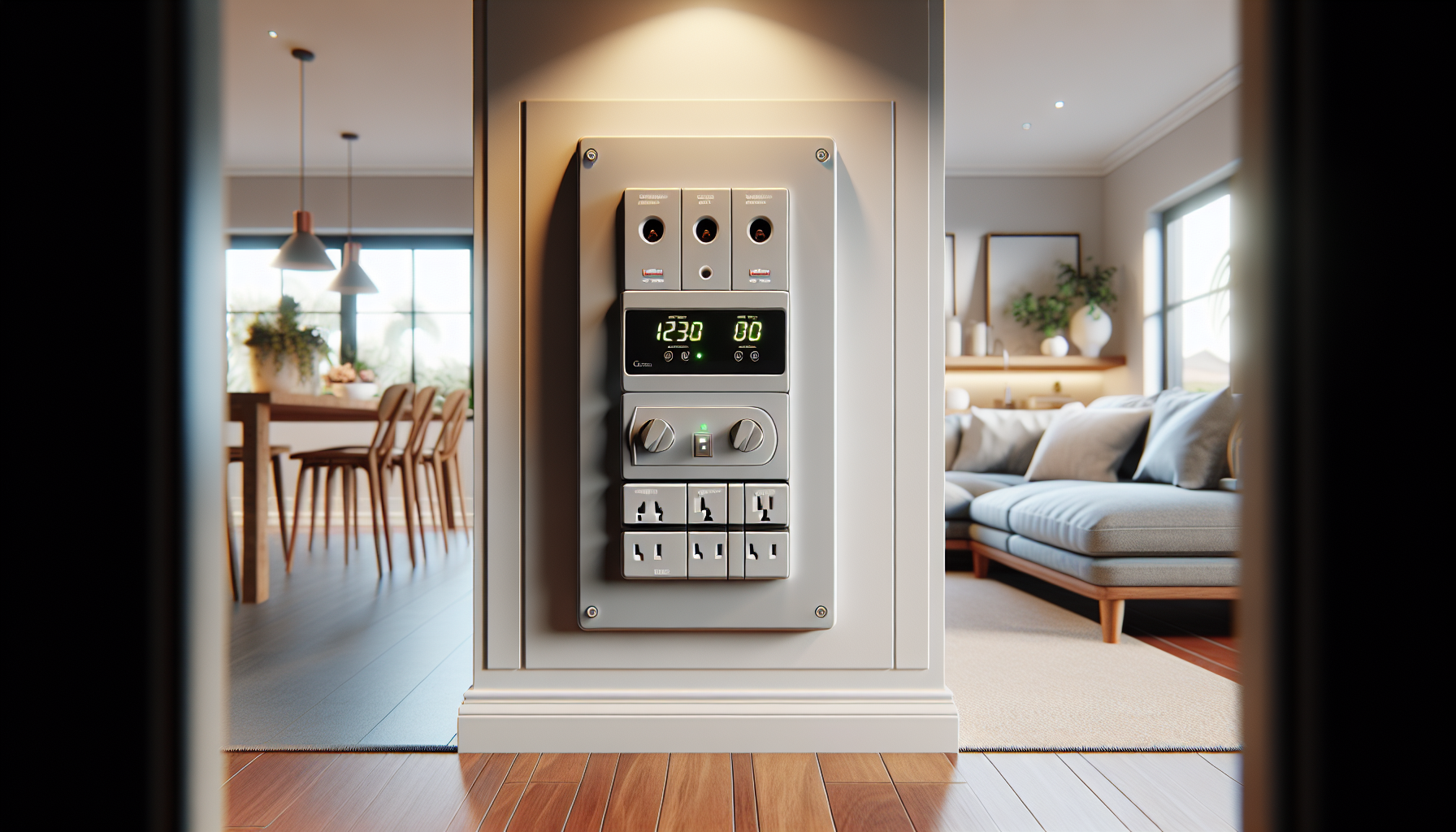
A whole house surge protector mounts in your switchboard and guards every circuit in your home. Unlike those little power strips you buy from Bunnings, this unit catches surges before they enter your house wiring.
Think of it as a bouncer for your electrical system. When excess voltage tries to enter, the surge protector redirects it safely to earth. Your electronics never see the spike.
These units typically handle surges up to 40,000 amps. That’s enough to stop most residential electrical events, including nearby lightning strikes. Knowing your gear is protected takes the worry out of storm season.
Central Coast Storm Patterns and Your Risk
The Central Coast cops some serious weather. Summer storms roll in fast from the west, and our coastal position means we get hit with both inland heat surges and ocean moisture. That combination creates perfect conditions for electrical storms.
Older homes around Kariong and Woy Woy face extra risk. Houses built before modern electrical codes often lack proper earthing systems. Their switchboards might not handle surges as well as newer installations.
Many Central Coast homes also run multiple high-draw appliances. Pool equipment, ducted air conditioning, and workshop tools all create internal surge risks. Without whole house protection, these everyday appliances slowly cook your sensitive electronics.
Installation Cost and What’s Involved
Surge protector installation typically costs between $800-$1,500 for most Central Coast homes. The price depends on your switchboard setup and the protection level you choose.
A licensed sparky needs about 2-3 hours to install the unit. They’ll mount it in your switchboard, connect it to your main circuit, and test the earthing system. Some older boards might need upgrades first, which affects the total cost.
The unit itself costs $300-$800, depending on capacity and features. Quality brands offer 10-15 year warranties and will even cover connected equipment if they fail to protect it. That’s pretty good insurance for your expensive electronics.
Protection Levels Explained
Basic surge protectors handle everyday spikes from appliances and small electrical events. They’re fine for newer homes with good earthing and minimal surge risks.
Premium units offer multi-stage protection and faster response times. They catch smaller surges that basic models might miss. If you’ve got expensive home theatre gear or sensitive computer equipment, the extra protection makes sense.
The key spec to watch is response time, measured in nanoseconds. Faster response means better protection for delicate electronics. Look for units responding in under 25 nanoseconds.
When Surge Protection Makes Sense
Homes with expensive electronics definitely benefit from whole house protection. If replacing your TV, computer, and kitchen appliances would cost more than $3,000, the maths works out.
Properties with older electrical systems face higher surge risks. Houses built before 1980 often lack modern earthing standards. A Switchboard Upgrade Cost Guide: What Central Coast Homeowners Really Pay explains when upgrades become necessary.
Frequent power outages in your area also increase surge risks. Every time power comes back on, there’s potential for voltage spikes. Areas around Gosford that lose power regularly during storms should consider protection.
If your Safety Switch Keeps Tripping: 7 Common Causes and When to Call a Sparky, you might already have surge issues affecting your electrical system.
What Surge Protectors Won’t Do
Whole house protectors won’t stop direct lightning strikes to your property. If lightning hits your roof or power lines right at your house, nothing will save your electronics. But these direct hits are extremely rare.
They also won’t protect against extended overvoltage situations. If a power line falls and sends 240V through your phone line, that’s a different problem requiring different solutions.
Internal wiring problems can also bypass surge protection. Old or damaged wiring might not carry surge currents to earth properly. Sometimes you need electrical repairs before surge protection works effectively.
Worth It for Your Place?
Check your home insurance policy to see if it covers surge damage. Then add up what it’d cost to replace your TV, computer, and kitchen gear. If the answer makes you wince, give us a call about fitting a surge protector. Call 02 4340 1155 or get a free quote.
Related posts
Switchboard Age Check: When 20-Year-Old Electrical Panels Need Replacement
Your 20-year-old switchboard might look fine from the outside, but waiting until it fails could leave you with emergency repair bills and a house full of frustrated family members in the dark.
Electrical Inspection Before Buying: Red Flags Every Home Buyer Should Know
Nothing kills the dream of homeownership faster than discovering the "bargain" house you just bought needs $20,000 worth of rewiring to keep your family safe.
Electrical Inspection Before Buying Property - What to Look For
Buying your dream home shouldn't turn into an electrical nightmare. A proper electrical safety inspection before you sign on the dotted line can save you thousands in nasty surprises down the track.