Electrical Inspection Before Buying: Red Flags Every Home Buyer Should Know
By Gunter Electrical
Nothing kills the dream of homeownership faster than discovering the “bargain” house you just bought needs $20,000 worth of rewiring to keep your family safe.
You’ve found the perfect first home. Great location, reasonable price, ticks all the boxes. But here’s the thing - that building inspection might miss the electrical red flags that could turn your dream into a financial nightmare.
The Hidden Electrical Gamble Every Buyer Takes
Most home buyers trust the building inspector to spot electrical problems. Big mistake.
Building inspectors look for obvious issues - burnt outlets, exposed wires, basic safety switches. But they can’t open switchboards or test circuits properly. They miss the stuff that costs serious money to fix.
Meanwhile, you’re about to sign papers on what might be an electrical disaster waiting to happen. Especially around Wyoming, Niagara Park, and Lisarow, where older homes hide decades of dodgy DIY work behind fresh paint.
Red Flags Your Building Inspector Might Miss
Ancient Wiring That’s Living on Borrowed Time
Walk into any 1970s fibro home around the Central Coast and you’ll often smell it - that musty electrical odour from old rubber insulation breaking down. Canvas-covered wiring from the 1960s looks fine from the outside but crumbles when you touch it.
Your building inspector sees wires. A licensed sparky sees wires that are three decades past their use-by date.
Switchboards Playing Russian Roulette
That neat-looking switchboard might be held together with hope and cable ties. Ceramic fuses mixed with modern circuit breakers. No earth leakage protection on power circuits. Neutral wires sharing terminals they shouldn’t.
These problems don’t show up until something goes wrong - usually at 2am on a rainy night.
The Great Safety Switch Deception
Your inspector ticks the “safety switch present” box. Job done, right? Wrong.
One safety switch protecting lights and power together won’t help if your kid touches a faulty lamp. You need separate protection for lighting circuits. Most older homes don’t have this, and most building inspectors don’t check for it.
Our Safety Switch Keeps Tripping: 7 Common Causes and When to Call a Sparky explains why proper safety switch setup matters so much.
What a Proper Electrical Safety Inspection Reveals
Circuit Testing That Actually Works
We test every circuit with proper equipment. Load testing shows if cables can handle modern appliances. Insulation resistance testing reveals cables about to fail.
The voltage drop test on your kitchen circuit might show why the previous owner’s air fryer kept cutting out.
Switchboard Archaeology
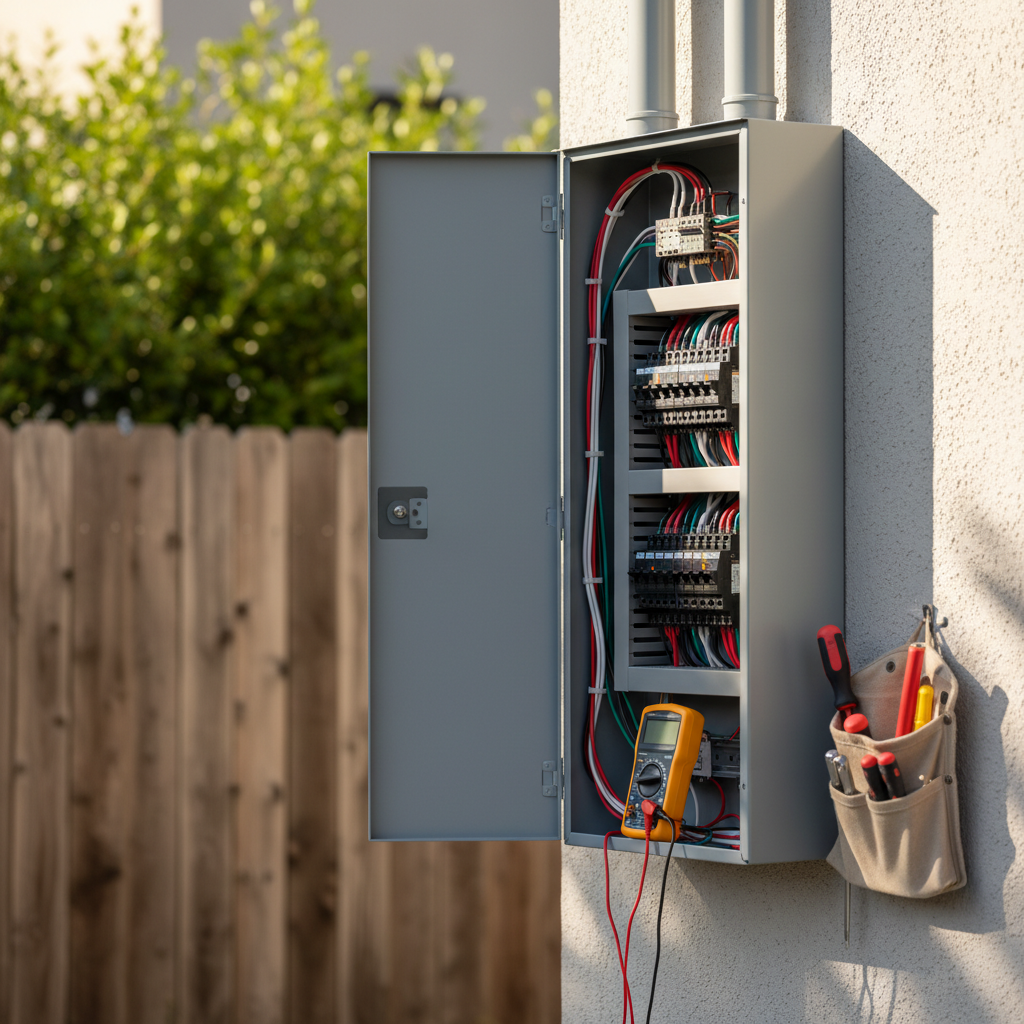
Opening that switchboard tells the whole story. Original 1960s wiring mixed with 1980s additions and 2000s “repairs.” Missing cable glands. Undersized neutral conductors. Multiple circuits sharing one breaker.
Each shortcut represents thousands in future repair costs.
The Compliance Reality Check
Your dream home might not meet current electrical standards. That’s usually okay for existing homes, but some issues are too dangerous to ignore.
No earth stakes. Bathroom lights without proper switching. Kitchen circuits that can’t handle your coffee machine and toaster together. These aren’t just inconveniences - they’re safety hazards.
The Real Cost of Getting It Wrong
When “Bargain” Homes Become Money Pits
A house priced $50,000 below market value might seem like a steal. Until you discover it needs:
- Complete rewiring: $15,000-25,000
- Switchboard Upgrade Cost Guide: What Central Coast Homeowners Really Pay shows new switchboard: $3,000-8,000
- Safety switch installation across all circuits: $1,500-3,000
- Compliance work for Smoke Alarm Regulations NSW: What Central Coast Homeowners Need to Know: $800-1,500
Suddenly that bargain costs more than the house next door.
The Insurance Nightmare
Home insurance companies investigate electrical faults carefully. Non-compliant wiring or uncertified work can void your claim. That kitchen fire from the dodgy circuit? You’re paying for repairs yourself.
Electrical Safety Inspection Cost vs Risk
A professional electrical inspection costs $300-600. Comprehensive testing and reporting might run $800-1,200.
Compare that to rewiring a three-bedroom home: $18,000-30,000.
Smart buyers spend hundreds to avoid spending tens of thousands.
Your Pre-Purchase Electrical Checklist
Before You Make an Offer
Walk through with your sparky before committing. Look for:
- Switchboard age and condition
- Safety switch coverage
- Power point and light switch condition
- Cable types visible in roof or under house
- Any burning smells or scorch marks
Questions to Ask Current Owners
- When was electrical work last done?
- Do you have compliance certificates?
- Any ongoing electrical issues?
- Has the switchboard ever been upgraded?
Honest sellers share this information. Evasive answers raise red flags.
After Building Inspection, Before Settlement
Book your detailed electrical inspection. This gives you time to negotiate repairs or walk away if the problems are too expensive.
For homes with Solar Panel Installation: What Central Coast Homeowners Need to Know or EV Charger Installation at Home: Complete Guide for Aussie Homeowners potential, check if the electrical system can handle the extra load.
Need a Hand?
Book your pre-purchase electrical inspection before you sign anything.
If your potential new home needs professional electrical assessment, give us a ring. We’ve been sorting electrical work for Central Coast families since 2000. Call 02 4340 1155 or Get a Free Quote.
Related posts
Switchboard Age Check: When 20-Year-Old Electrical Panels Need Replacement
Your 20-year-old switchboard might look fine from the outside, but waiting until it fails could leave you with emergency repair bills and a house full of frustrated family members in the dark.
Home Electrical Inspection Checklist for First Home Buyers
Buying your first home is exciting, but don't let that excitement blind you to potential electrical problems that could cost thousands down the track.
Electrical Inspection Before Buying Property - What to Look For
Buying your dream home shouldn't turn into an electrical nightmare. A proper electrical safety inspection before you sign on the dotted line can save you thousands in nasty surprises down the track.