Solar Panel Problems: When Your System Isn't Performing
By Gunter Electrical
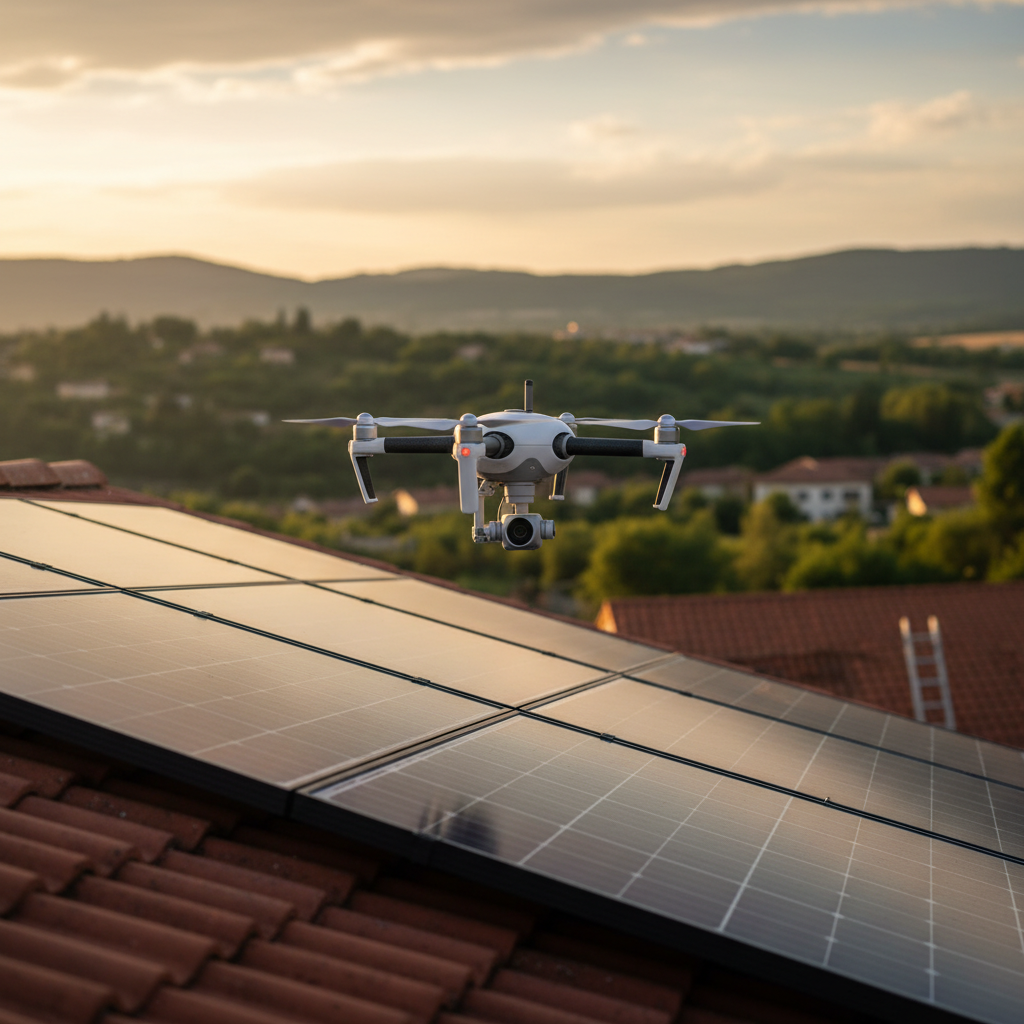
Your solar panels promised big summer savings, but your latest electricity bill suggests they’re having a holiday too.
Nothing’s more frustrating than watching your power bill climb while those expensive panels sit on your roof doing half the work. The gamble of ignoring underperforming solar? You could lose thousands in energy savings over your system’s 20-year life. Let’s sort out what’s going wrong and when you can fix it yourself versus calling in the professionals.
Common Signs Your Solar Isn’t Pulling Its Weight
Your monitoring app shows declining performance. Your neighbour with identical panels brags about lower bills while yours keep climbing. Here’s what to check first.
Look for obvious physical damage after storms. Cracked panels, loose wiring, or debris blocking the surface all hurt performance. On the Central Coast, that salty Terrigal breeze can corrode connections faster than you’d expect.
Check your inverter display. Red lights or error codes mean something’s definitely wrong. Most inverters have basic fault codes in their manual - worth a quick look before calling anyone.
The Usual Suspects Behind Poor Performance
Dirt builds up faster near the coast. Salt spray, bird droppings, and autumn leaves create a film that blocks sunlight. A dirty panel loses 10-20% efficiency easily.
Shading changes as trees grow or new buildings go up. That Copacabana pine tree might have been tiny five years ago. Even partial shade on one panel can drag down your whole string’s performance.
Inverter problems show up after 8-10 years typically. They work hard converting DC to AC all day, every day. When they start failing, your power production drops noticeably.
What You Can Check Yourself
Start with the simple stuff. Clean panels with a hose and soft brush on a cool morning. Avoid pressure washers - they can crack the glass or damage seals.
Look at your electricity bill’s solar export figures. Compare them to the same month last year. A 20% drop suggests something needs attention.
Check for obvious wiring damage. Loose connections, chewed cables from possums, or corroded terminals in junction boxes. Don’t touch anything - just look and take photos.
Always use a licensed electrician for any electrical work on solar systems.
When to Call for Professional Help
Your inverter shows consistent error codes you can’t clear. Most have a reset button, but if problems keep returning, the unit likely needs repair or replacement.
Performance drops suddenly by more than 30%. Gradual decline happens naturally, but sharp drops usually mean equipment failure or major shading issues.
You smell burning plastic or see scorch marks around electrical connections. This needs immediate professional attention - switch off the system at your main board if you can access it safely.
The Diagnostic Approach That Actually Works
A proper solar system check involves measuring each panel’s output individually. This reveals which specific panels are underperforming rather than guessing at the problem.
Testing continues at your switchboard where the AC current feeds into your home’s electrical system. Poor connections here waste power even if panels work perfectly.
We also check your inverter’s actual settings against what your system needs. Incorrect configuration can cut performance by 15-20% without obvious symptoms.
For related electrical issues that might affect your solar performance, our guide on Safety Switch Keeps Tripping: 7 Common Causes and When to Call a Sparky covers common switchboard problems.
Umina Beach and Avoca Beach: Extra Coastal Considerations
Salt air accelerates corrosion on all electrical connections. Annual inspections help catch problems before they kill your system’s performance.
Strong coastal winds can loosen panel mounting hardware over time. A wobbly panel doesn’t generate power efficiently and risks damage to your roof.
Morning sea mist leaves mineral deposits that regular rain doesn’t wash away. Professional cleaning might be worthwhile annually for beachside installations.
Maintenance That Prevents Most Problems
Annual professional inspections catch small problems before they become expensive ones. A sparky can test connections, check wiring, and measure actual performance against design specifications.
Keep trees trimmed back from panels. That beautiful coastal vegetation grows fast - what provided no shade at installation might block half your panels five years later.
Monitor your system’s daily output through your app or inverter display. Knowing your normal summer peak helps you spot problems early.
If you’re considering adding solar to your Central Coast home, our detailed Solar Panel Installation: What Central Coast Homeowners Need to Know guide covers everything from council approvals to system sizing.
Need a Hand?
Check your solar monitoring app and compare this month’s output to the same period last year.
If your system’s underperforming and you can’t spot an obvious cause, give us a ring. We’ve been sorting electrical work for Central Coast families since 2000. Call 02 4340 1155 or Get a Free Quote.
Related posts
Safety Switch Keeps Tripping: 7 Common Causes and When to Call a Sparky
When your safety switch keeps flicking off, you're left wondering if it's protecting you or just being a pain. Here's how to work out what's going on and when you need a sparky to sort it properly.
Home EV Charging Station Maintenance: Keep Your Electric Vehicle Charger Running Safely
Your new EV charger cost a few grand and keeps your car running. But skip the simple maintenance checks, and you're gambling with expensive repairs down the track.
Solar Panel Bird Proofing and Electrical Maintenance
You've invested thousands in your solar system, but one thing could wreck it overnight: the local wildlife treating your roof like their personal playground.