Smoke Alarm Regulations NSW: What Central Coast Homeowners Need to Know
By Gunter Electrical
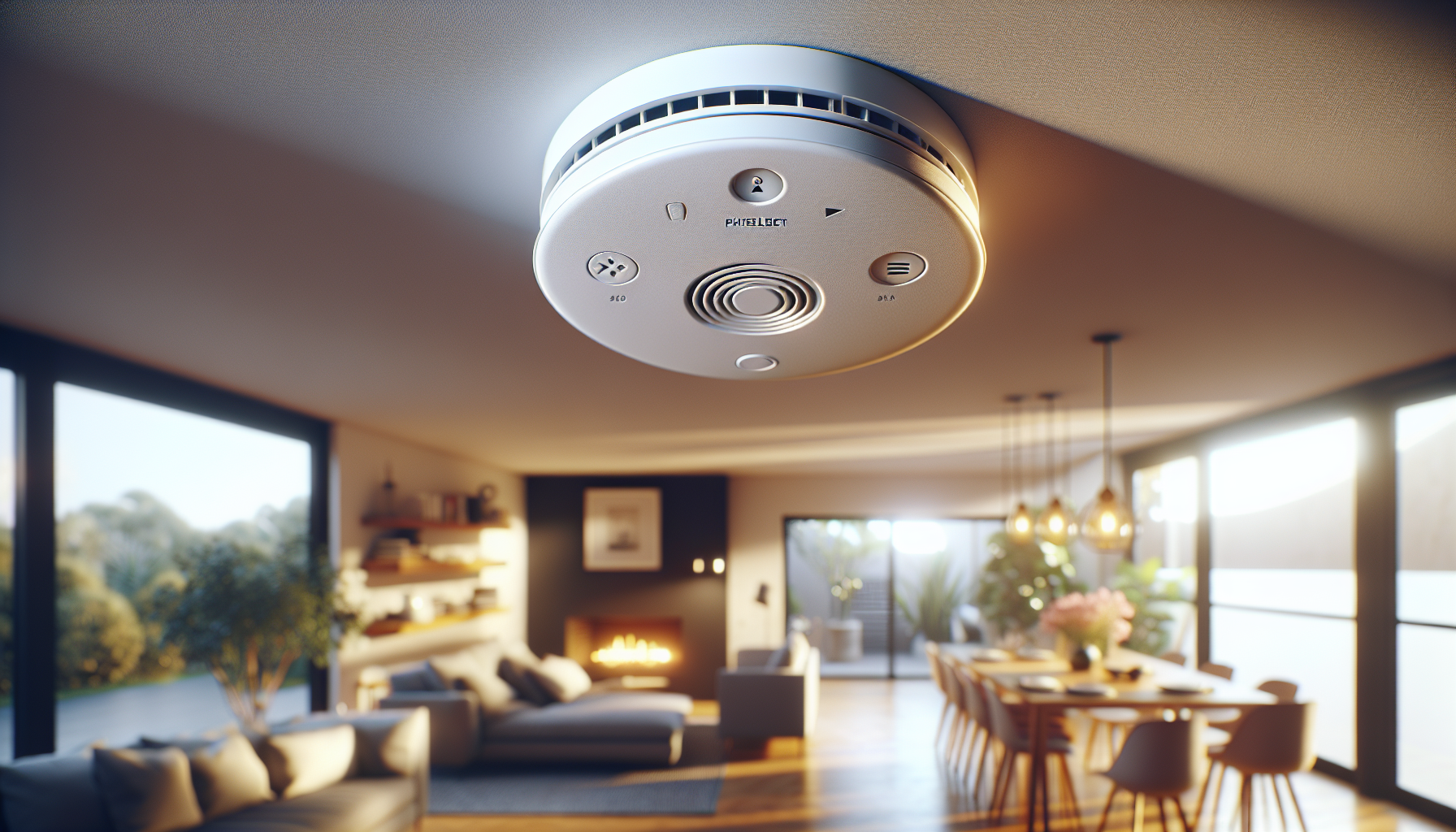
Wondering if your smoke alarms meet NSW regulations? Many Central Coast homeowners are gambling with outdated detectors that could fail safety inspections or void insurance claims.
You bought your home years ago. The smoke alarms seemed fine then. But NSW smoke alarm regulations have tightened since 2006, and non-compliance can hit you with fines or insurance headaches when you least expect them.
What NSW Smoke Alarm Regulations Require
NSW regulations mandate specific requirements depending on when your home was built or renovated.
For homes built or significantly renovated after August 1, 2006, you need photoelectric smoke alarms that are either hard-wired to mains power or powered by 10-year lithium batteries. These alarms must be interconnected so when one detects smoke, they all sound off together.
Older homes get some leeway, but there’s a catch. If you’re selling, renovating, or your insurance company asks for compliance, you’ll need to upgrade to current standards.
Once installed, test the alarm to make sure it’s working. That first beep means you’re sorted.
Photoelectric vs Ionisation: Why It Matters
NSW specifically requires photoelectric smoke alarms because they respond faster to smouldering fires. These are the dangerous fires that start slowly, often while families sleep.
Ionisation alarms (the older, cheaper ones) are better at detecting flaming fires but slower with smoky, smouldering fires. Since most house fires start as smouldering fires, photoelectric alarms give you precious extra minutes to escape.
Many Central Coast homes built before 2006 still have ionisation alarms or basic battery units that don’t meet current smoke detector compliance standards.
Where Smoke Alarms Must Go
NSW regulations specify exact placement requirements. You need smoke alarms:
- In every bedroom
- In hallways that connect bedrooms to living areas
- On every level of your home, including basements
- Within 3 metres of bedroom doors (but not closer than 1.5 metres to avoid false alarms)
Alarms must be ceiling-mounted at least 300mm from walls or light fittings. In rooms with sloped ceilings, install them within 600mm of the highest point.
Interconnected Smoke Alarms: The Game Changer
Interconnected smoke alarms are the biggest upgrade for older homes. When smoke triggers one alarm, every connected alarm in your house sounds immediately.
This means if a fire starts in your garage while you’re sleeping upstairs, you’ll hear the alarm straight away. Without interconnection, you might not hear a distant alarm until it’s too late.
Hard-wired interconnected systems work through your electrical circuits. Wireless systems use radio signals to connect battery-powered alarms. Both meet NSW compliance when installed by a licensed electrician.
Common Central Coast Compliance Gaps
Many older Central Coast properties have compliance issues we see regularly:
Battery-only alarms in hard-wired zones: Homes with existing electrical smoke alarm circuits often have battery alarms installed incorrectly.
Missing bedroom coverage: Older homes frequently lack alarms in all bedrooms, especially converted spaces or granny flats.
Wrong alarm types: Ionisation alarms still hanging around from the 1990s.
No interconnection: Individual alarms that don’t communicate with each other.
When you test one and they all go off together, you know they’re wired up right.
When You Must Upgrade
You’re legally required to upgrade when you:
- Sell your property (compliance certificate needed)
- Do major renovations requiring council approval
- Install new smoke alarm circuits
- Replace existing hard-wired smoke alarms
Insurance companies increasingly check smoke detector compliance after claims. Non-compliant alarms can void your coverage when you need it most.
If your home’s electrical issues extend beyond smoke alarms, check our guide on Safety Switch Keeps Tripping: 7 Common Causes and When to Call a Sparky. Older homes often need broader electrical upgrades alongside smoke alarm work.
Getting It Right the First Time
Professional installation eliminates the compliance gamble. A licensed sparky ensures your alarms meet current NSW regulations, connects them properly, and provides the compliance documentation you’ll need later.
DIY installation might seem cheaper, but mistakes can cost thousands in re-work or insurance issues down the track. Plus, hard-wired and interconnected systems require electrical work that legally needs a licensed electrician.
For homes needing broader electrical updates, our Switchboard Upgrade Cost Guide: What Central Coast Homeowners Really Pay covers the bigger picture of electrical compliance.
Hard-wired and interconnected systems require a licensed sparky. No shortcuts on this one.
Not Sure If Yours Are Compliant?
Check your current smoke alarms against the requirements above. Count how many rooms are missing proper coverage. If it’s more than zero, give us a ring and we’ll sort the upgrade. Call 02 4340 1155 or get a free quote.
Related posts
Commercial Electrical Compliance: Essential Safety Requirements for Central Coast Businesses
You're managing a commercial property and praying the electrical system passes inspection. One failed compliance check can shut down operations and cost thousands in fines.
Commercial Electrical Services: What Central Coast Businesses Need to Know
When your business electrical work goes wrong, you're not just looking at repair costs - you're looking at lost trading time, safety risks, and the headache of finding someone who actually understands commercial requirements.
Electrical Safety Inspection Checklist for Central Coast Homes
Don't know what a professional electrical safety inspection actually covers or what it might cost? Here's your complete checklist to understand exactly what licensed sparkies examine and why it matters for your family's safety.