Power Bill Shock: How Smart Home Energy Monitoring Cuts Electricity Costs
By Gunter Electrical
You get your quarterly power bill and nearly choke on your coffee. The number seems impossible until you remember running the aircon flat out through those scorching Central Coast summer days in Terrigal and Copacabana.
The Mystery of Rising Power Bills
That bill shock hits hard because you’re flying blind. You know the aircon costs money, but how much exactly? What about that pool pump, the hot water system, or the kids leaving every light on?
Without smart home energy monitoring, you’re gambling with every appliance you switch on. You might think you’re being careful, but one energy-hungry device could be quietly draining your wallet.
The anxiety of not knowing where your power dollars go keeps you trapped in a cycle of bill shock and finger-crossing.
What Smart Home Energy Monitoring Actually Does
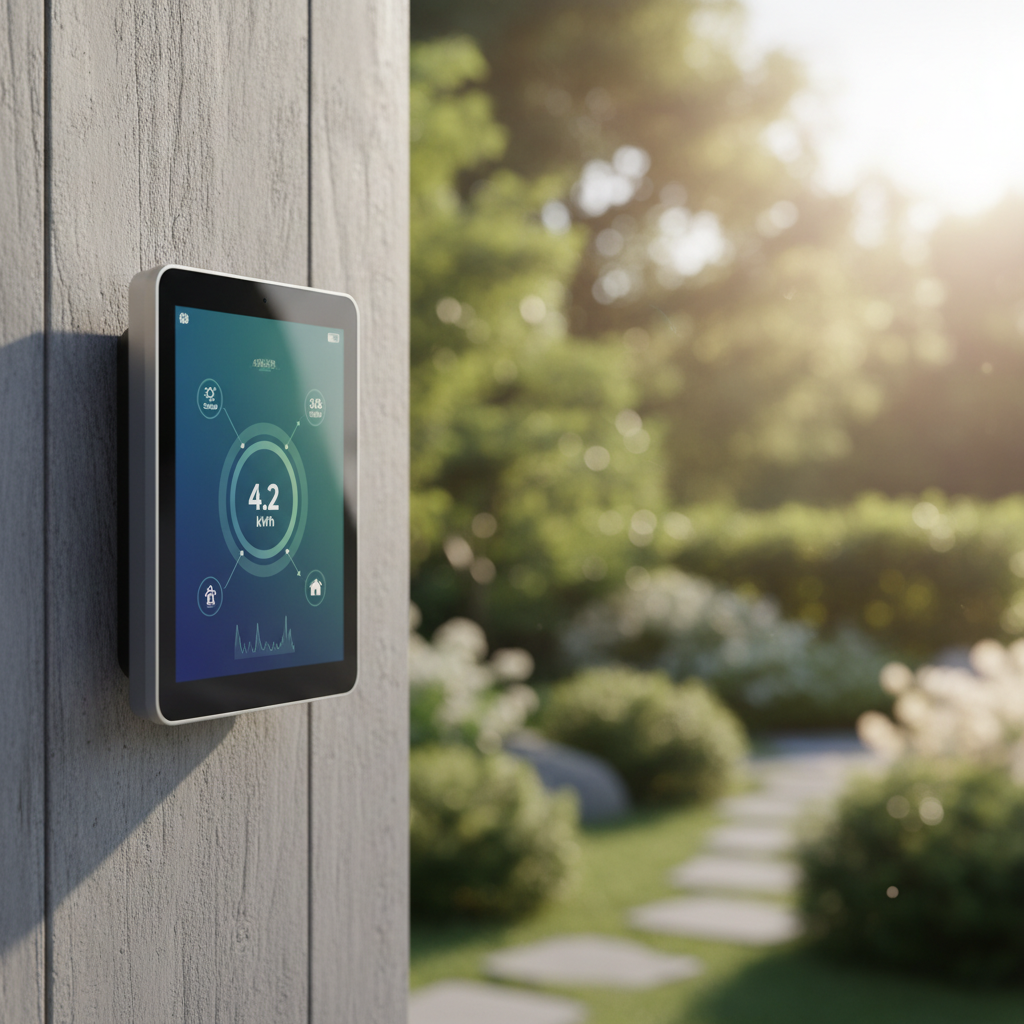
Think of energy monitoring as a speedometer for your electricity use. These systems track exactly how much power each circuit or device uses in real time.
You’ll see on your phone that the pool pump costs $4 a day to run, or that leaving the TV on standby adds $50 to your quarterly bill. No more guessing games.
Modern systems can monitor individual circuits, major appliances, or your whole home’s power draw. The data shows up on an app with clear charts and cost breakdowns.
Types of Energy Monitoring Systems
Whole-Home Monitors
These track your total power use at the switchboard. They’re perfect for getting the big picture of your consumption patterns.
Installation requires a licensed sparky to fit current transformers around your main cables. The monitor connects to your WiFi and sends data to your phone.
Smart Plugs and Individual Monitors
These plug between your appliance and the wall socket. Great for tracking specific devices like fridges, pool equipment, or entertainment systems.
No electrical work needed - you just plug them in and connect to the app.
Circuit-Level Monitoring
The gold standard for detailed tracking. These systems monitor individual circuits at your switchboard, showing exactly what each area of your home uses.
Perfect for identifying which rooms or appliances are the biggest power hogs.
What Works Best for Central Coast Homes
Our summer heat means aircon dominates most power bills from December to March. A good monitoring system helps you find the sweet spot between comfort and cost.
Pool pumps are another big draw in beachside suburbs like Avoca Beach and Copacabana. Monitoring shows you exactly how much that crystal-clear water costs.
For older homes with older switchboards, upgrading your electrical panel first might be needed before installing comprehensive monitoring. Check out our Switchboard Upgrade Cost Guide for what Central Coast homeowners really pay.
How Much You Can Actually Save
Real monitoring typically cuts power bills by 10-15% just from awareness. When you see that leaving the pool heater on costs $12 a day, you’ll remember to switch it off.
Smart scheduling saves even more. Run your pool pump during off-peak hours. Set the hot water to heat only when rates are lowest.
The monitoring system pays for itself within 12-18 months through reduced consumption.
What to Look For When Buying
Choose systems with clear, simple apps. Complicated interfaces mean you’ll stop checking the data.
Look for real-time alerts. Get pinged when usage spikes unexpectedly - maybe someone left the pool heater on or the aircon is struggling.
Make sure the system works with your phone and home WiFi. Some cheaper units have connectivity issues that make them useless.
Always use a licensed electrician for any electrical work during installation. DIY electrical work isn’t worth the risk to your family’s safety.
Getting Started with Energy Monitoring
Start by identifying your biggest energy users. In most Central Coast homes, it’s aircon, pool equipment, and hot water.
Consider your home’s age and switchboard condition. Newer homes with modern panels suit comprehensive monitoring better.
Factor in any planned electrical upgrades. If you’re considering solar panels or an EV charger installation, coordinate with your monitoring system for complete visibility.
Need a Hand?
Check your current power bill to see if energy monitoring makes sense for your usage patterns.
If your electrical system needs upgrading before installing comprehensive monitoring, give us a ring. We’ve been sorting electrical work for Central Coast families since 2000. Call 02 4340 1155 or Get a Free Quote.
Related posts
Smart Home Energy Monitoring: Cut Your Power Bill with Real Data
Smart home energy monitoring turns your guesswork into hard data, showing exactly where your power bill dollars disappear each month. Skip the gamble of wondering why your electricity costs keep climbing.
Solar Battery Storage: Is It Worth It for Central Coast Homes?
Wondering if a solar battery storage system makes sense for your Central Coast home? Let's cut through the sales pitch and look at what battery storage really costs versus what you'll actually save.