EV Charger Installation at Home: Complete Guide for Aussie Homeowners
By Gunter Electrical
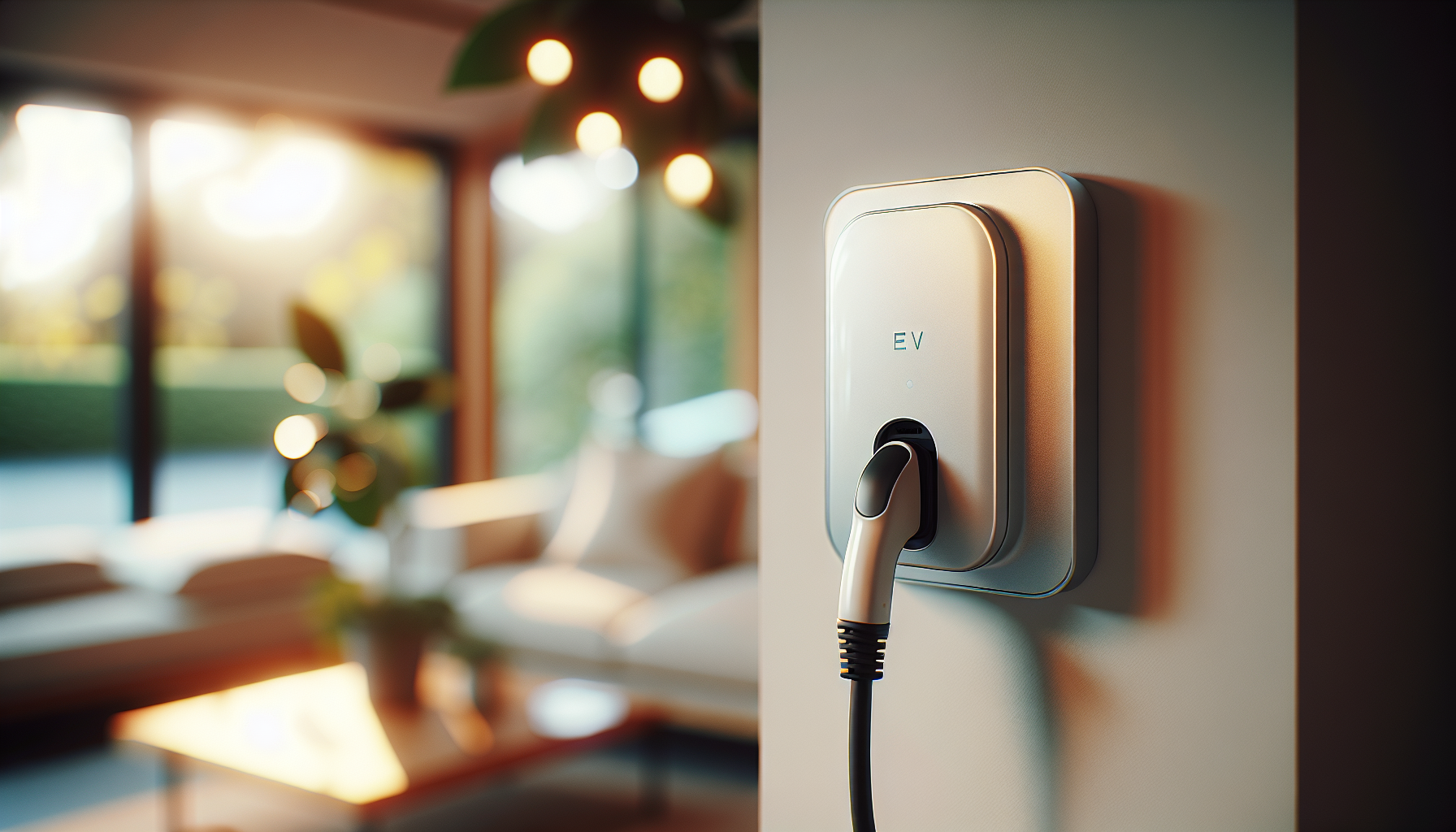
Getting an electric car but worried about botched wiring frying your new ride or burning down the house? Here’s what every Central Coast homeowner needs to know about safe, compliant EV charger installation at home.
You’ve made the leap to electric. Smart move. But now you’re staring at your garage wall wondering if that standard power point will cut it, or worse, if your mate’s “sparky cousin” can just wire up something quick and cheap. Here’s the thing - your $60K Tesla doesn’t play nice with dodgy electrical work.
The wrong installation can damage your car’s charging system, trip your safety switches constantly, or create a fire risk that’ll have your insurer laughing at your claim.
What You Need for EV Charger Installation at Home
Most electric cars come with a basic charging cable that plugs into a standard 10-amp power point. It works, but charging overnight barely gets you 80km of range. Fine for the daily school run, useless for weekend trips to Sydney.
A proper electric car charger home setup uses either a 15-amp or 32-amp dedicated circuit. The 15-amp version gives you about 120km of range per night. The 32-amp charger delivers a full charge overnight for most cars.
Your existing house wiring probably can’t handle this extra load. That’s where things get tricky, especially in older Central Coast homes.
Why Your House Wiring Matters
Walk through Kariong’s older streets or Erina’s established neighbourhoods. Many homes have switchboards from the 80s or 90s. These weren’t designed for high-power electric car charging on top of air con, pool pumps, and everything else.
In Woy Woy’s waterfront homes, salt air creates extra challenges. Corroded connections that seem fine for normal loads can fail under the constant draw of EV charging. You don’t want to find out at 2am that your wiring wasn’t up to it.
Your sparky needs to check your switchboard capacity, cable sizing, and earthing systems. Older electrical systems often need switchboard upgrades before handling modern loads.
Home EV Charger Cost Breakdown
A basic 15-amp charging point costs $800-1,200 installed. This includes the outlet, circuit protection, and basic cable runs.
A 32-amp EV charging station installation runs $1,500-2,500. You get faster charging and usually smart features like scheduling and load balancing.
Add these costs if needed:
- Switchboard upgrade: $1,800-3,500
- New cable runs over 20 metres: $200-400 per extra 10m
- Trenching for garage power: $500-1,000
- Three-phase upgrade: $2,000-4,000
In Terrigal’s hillside homes, long cable runs to garages can push costs up. Always get an on-site quote before committing.
Smart vs Basic Charging Options
Basic charging points just deliver power. Plug in, charging starts. Simple and reliable.
Smart chargers connect to your WiFi. You can schedule charging for off-peak electricity rates, monitor energy use, and some even talk to solar systems. The extra $300-500 pays for itself if you charge regularly.
Load balancing matters in older homes. Smart chargers can reduce power automatically when your air con kicks in, preventing your safety switch from tripping constantly.
Installation Process
A proper EV charger installation follows these steps:
First, your sparky assesses your electrical system. They check switchboard capacity, measure cable runs, and identify any upgrade needs.
Next comes the installation planning. Where should the charger go? How will cables run? What protection is needed? This affects the final cost.
The actual installation involves running new circuits, installing protection devices, mounting the charging point, and testing everything works safely.
Finally, you get a compliance certificate. This proves the work meets Australian standards and protects your insurance coverage.
Permits and Approvals
Most EV charger installations need electrical permits. Your licensed sparky handles this paperwork. DIY installations void your insurance and break electrical safety laws.
Some strata properties need body corporate approval. Check before ordering equipment.
If you’re adding solar panels too, read our solar panel installation guide for the complete picture.
Common Installation Mistakes
Undersized cables overheat under constant EV charging loads. This damages your car and creates fire risks.
Missing or wrong earth fault protection can be deadly. Water and electricity don’t mix, especially in coastal environments.
Overloaded switchboards trip constantly or worse, fail to trip when they should.
Poor cable protection leads to damage from UV, moisture, or physical knocks. Replacement costs more than doing it right first time.
The $500 you save going cheap isn’t worth the risk to your family or your property.
Get Your Setup Checked First
Before you buy any charging gear, get your switchboard and wiring assessed. We’ll tell you exactly what’s needed and what it’ll cost. Call 02 4340 1155 or get a free quote.