Commercial Kitchen Electrical Safety: Restaurant and Cafe Compliance Requirements
By Gunter Electrical
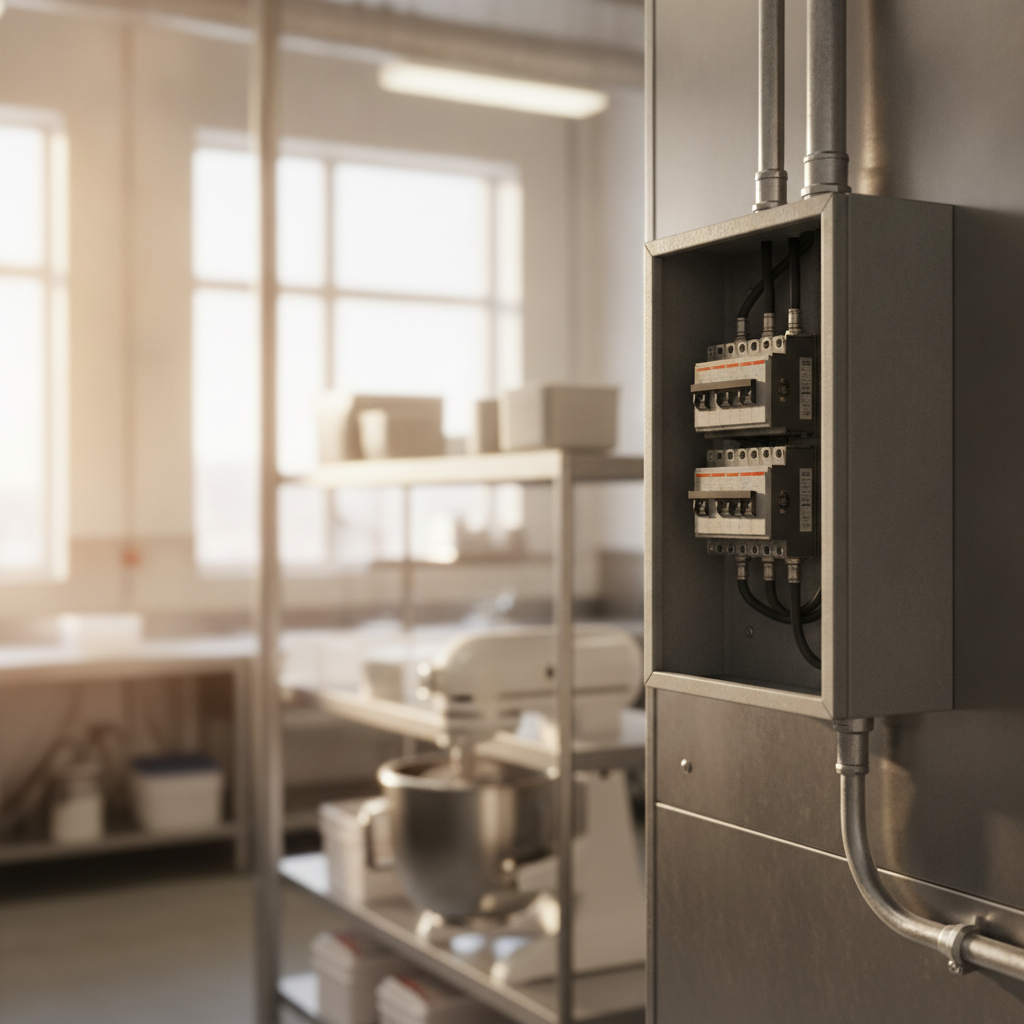
Getting your commercial kitchen’s electrical work wrong isn’t just about blown fuses - it’s about health department shutdowns, insurance claims, and watching your business reputation go up in smoke.
When you’re running a restaurant or cafe on the Central Coast, you can’t gamble with inexperienced sparkies who don’t understand food service compliance. One missed regulation or dodgy installation could see your doors locked by inspectors.
Why Commercial Kitchen Electrical Work Is Different
Commercial kitchens aren’t like home kitchens. The electrical demands are massive, the safety stakes are higher, and the compliance requirements are strict.
Your average domestic sparky might know how to wire a house, but commercial kitchens need specific knowledge of food safety regulations, high-load equipment, and industrial-grade safety systems.
The smell of hot oil and steam creates unique challenges. Equipment like deep fryers, commercial ovens, and dishwashers draw serious power. Get the electrical work wrong and you’re looking at equipment failures, safety hazards, and regulatory headaches.
Essential Electrical Compliance Checklist
Power Supply and Distribution
- Adequate electrical capacity for all equipment (calculated load assessment required)
- Properly rated circuit breakers and switchboards
- Dedicated circuits for high-draw equipment
- Emergency power isolation switches clearly marked and accessible
Safety Protection Systems
- RCD protection on all circuits (mandatory in commercial kitchens)
- Smoke alarm systems compliant with Australian Standards
- Emergency lighting systems with battery backup
- Surge protection for sensitive equipment
Equipment-Specific Requirements
- Proper earthing for all metal equipment and surfaces
- Waterproof electrical connections in wet areas
- Heat-resistant wiring and conduits near cooking equipment
- Ventilation fan electrical connections (coordinated with exhaust systems)
Documentation and Testing
- Electrical safety certificates for all installations
- Regular testing and tagging of portable equipment
- Compliance certificates for council and health department inspections
- Updated electrical drawings and equipment schedules
Common Compliance Traps in Central Coast Restaurants
Many Gosford CBD restaurants get caught out by these specific issues. Older buildings often have inadequate power supply for modern commercial equipment. The heritage restrictions in some areas can complicate electrical upgrades.
Coastal conditions add another layer. Salt air corrodes electrical connections faster than inland locations. Your electrical systems need marine-grade protection, especially if you’re near The Entrance or Woy Woy waterfront.
Health department inspections focus heavily on electrical safety around food preparation areas. They’re looking for proper separation between electrical systems and food contact surfaces, adequate lighting levels, and functioning ventilation controls.
Working with a Commercial Electrician Central Coast Businesses Trust
Your commercial electrician needs to understand both electrical codes and food safety regulations. They should coordinate with other trades - plumbers, kitchen designers, and mechanical services.
Look for sparkies who can handle the full scope: initial design, installation, testing, and ongoing maintenance. They should provide detailed documentation for council approvals and health department inspections.
The right commercial electrician will also help you plan for future expansion. Installing extra capacity now saves costly upgrades later when you want to add equipment.
Always use a licensed electrician for all commercial electrical work. Commercial installations require specific qualifications and compliance certificates.
Maintenance and Ongoing Compliance
Commercial kitchen electrical systems need regular attention. Monthly visual inspections, annual testing and tagging, and periodic load assessments keep you compliant.
Your electrical contractor should provide a maintenance schedule. This includes cleaning connection points (salt air accelerates corrosion), checking RCD operation, and updating safety documentation.
Keep detailed records of all electrical work, testing, and maintenance. Health departments and insurance companies want to see proper documentation during inspections or claims.
Need a Hand?
Schedule a commercial electrical assessment before your next health department inspection.
If your commercial kitchen needs professional electrical attention, give us a ring. We’ve been sorting electrical work for Central Coast businesses since 2000. Call 02 4340 1155 or Get a Free Quote.